

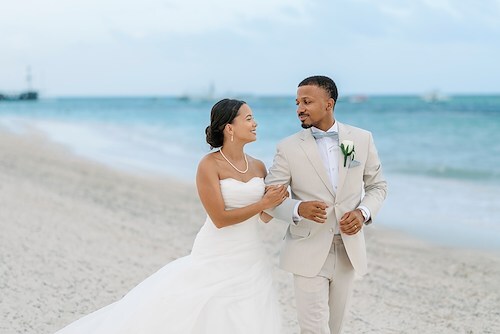
Stop telling women from the Dominican Republic that moving abroad will break them. That advice gets repeated constantly, and it’s almost always wrong. Dominican brides don’t just survive relocation. They reorganize their lives with a speed that catches their partners off guard. Yes, there are hard moments. But the women who leave Santo Domingo or Santiago for a new country arrive with something most people underestimate: a deep, practiced ability to make a life work under pressure.
What Makes Dominican Brides Leave Home in the First Place
It’s rarely just love. That might be what gets the paperwork started, but the reasons run deeper. The Dominican Republic has a female unemployment rate that hovers around 8 to 10 percent in urban areas, and that number climbs significantly in rural provinces. Women who are educated, ambitious, and capable often find themselves boxed out of opportunities that would be available to them almost anywhere else. So when a serious relationship with someone abroad becomes real, it connects to something they’ve already been thinking about.
Dominican Republic brides who move overseas are frequently college-educated women in their late twenties or early thirties. They’ve watched their mothers work two jobs for modest wages. They know what economic limitation looks like up close. Leaving isn’t abandonment. It’s a calculated move toward a life with more room in it. And the emotional pull of love makes that move feel right rather than just practical.
Family is complicated here. Latin culture places enormous weight on staying close to parents, siblings, and cousins. Leaving that network is genuinely painful. But many women frame it as a sacrifice with a purpose, not a rejection of where they came from.
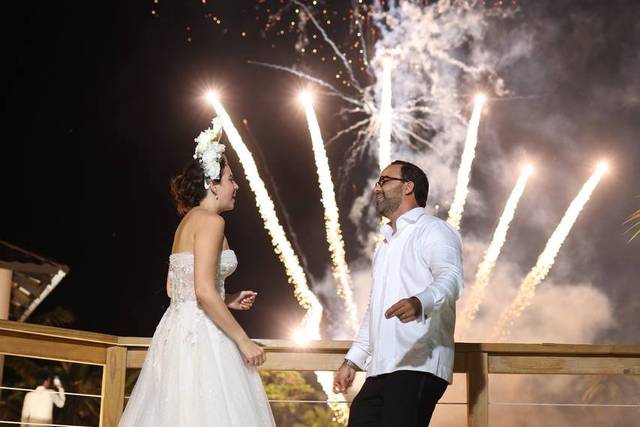
Do Dominican Republic Brides Struggle With Culture Shock Abroad
Yes. Absolutely. I won’t pretend otherwise. But the shape of that shock surprises most people. It’s rarely the big things that undo a Dominican bride in a new country. She can handle cold weather, different food, a new language if she doesn’t already speak it. What catches her off guard is the social silence. In the Dominican Republic, neighbors talk. Doors open. Music comes out of windows on Sunday afternoons. Moving to a suburb in Germany or a mid-sized city in Canada and finding that nobody knocks, nobody waves, nobody asks about your family, that’s the part that stings. The loneliness isn’t dramatic. It’s quiet and steady.
Language matters more than people admit. A Dominican woman who arrives with functional English or Spanish already has a bridge. One who arrives knowing only Spanish in an English-speaking country faces a much steeper first year. Then again, Dominican women tend to be socially resourceful. They find churches, Dominican diaspora communities, WhatsApp groups with other women from back home. The connection gets rebuilt, just in a different shape.
Culture shock also shows up in the relationship itself. Dominican homes often operate with a particular rhythm of warmth, noise, and togetherness. A quieter partner in a quieter country can feel like emotional distance when it’s actually just a different normal.
Life Changes a Dominican Bride Actually Handles Well
The list is longer than you’d expect. Dominican women grow up managing complexity. Power cuts, water shortages, shifting family finances, these are not abstract problems. They’re Tuesday. That kind of upbringing builds a particular type of flexibility that transfers well to life in a new country. Bureaucracy doesn’t scare them. Waiting in lines at immigration offices, learning a new system for paying bills, figuring out public transit in a city where nobody speaks Spanish, she works through it because she’s worked through harder things.
Cooking is a real anchor. Dominican cuisine is specific and beloved, and most women who move abroad recreate it with whatever ingredients they can source locally. Plantains, yuca, sofrito. Finding those ingredients in a foreign supermarket becomes a small victory that matters more than it sounds. It’s a way of keeping something real and familiar inside a life that’s changing fast.
Work adaptation is another area where Dominican and Brazilian brides tend to do well. Many arrive ready to take entry-level positions without ego because they’re playing a long game. Within a few years, a significant number have moved into stable careers, particularly in healthcare, education, and service industries, where their warmth and communication skills carry weight.
Can a Dominican Mail Order Bride Build Real Roots Overseas
She can. And she does. But it takes time, and the first eighteen months are the hardest stretch. A Dominican mail order bride who arrives through an international matchmaking process often has less of a local support network than someone who moved for work or study. That isolation is real. Her partner becomes her primary social connection in a way that puts pressure on the relationship. Couples who do well in this period are the ones who actively work to build their world outside their home, not just inside it. That means introductions to friends, encouragement to take classes, space to build something that belongs to her.
Children change the equation significantly. A Dominican woman who becomes a mother in her new country tends to root herself through that child. School systems, pediatrician visits, playgroups, these become her entry points into the community. I’ve seen this pattern described repeatedly by women from across the Dominican diaspora, from New York to Madrid to Toronto. Motherhood localizes them in a way that nothing else quite does.
Citizenship timelines matter too. Women who gain legal stability within three to five years report much higher satisfaction than those stuck in long visa limbo. Security makes roots possible. Uncertainty keeps everything provisional. Dominican brides adapt. Not without difficulty, not without grief for what they left behind, but with a determination that tends to win out over time. They bring warmth, resilience, and genuine love into relationships that span oceans. The only thing worth asking is whether the life waiting for them abroad gives them enough room to actually grow.